

how much to feed a puppy
-

How Much to Feed a Puppy

Not sure how much to feed a puppy? Find out with our vet-approved tips and puppy feeding chart.

-

These are exciting times!

As you prepare for your new family member and all the fun times ahead, many of your questions will involve feeding. How much to feed a puppy? Dry food or wet food? Kibble or fresh? What's a puppy's feeding schedule? The answer depends on a variety of factors.


Feeding is a crucial part of your pup's current and future health. As puppies grow, they require different quantities and nutrients than adult dogs. Getting it right will allow them to develop in the healthiest way possible.


To help you find your way, we consulted our team of veterinarians to prepare this puppy feeding guide - but first, remember to follow your own veterinarian's advice.

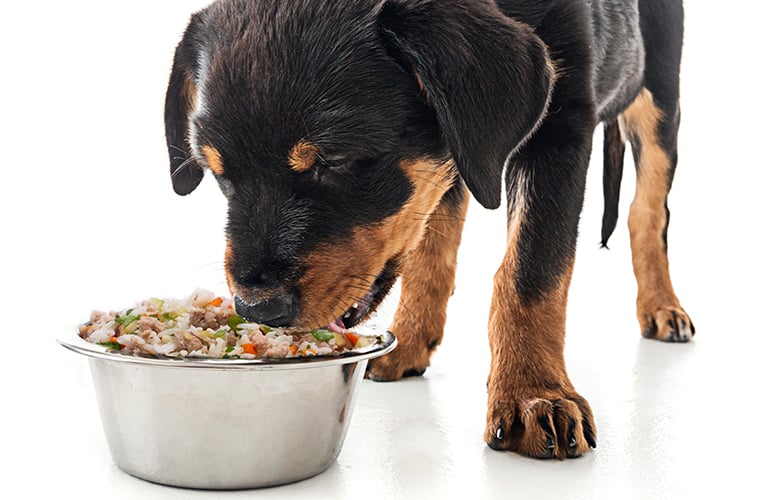
rottie puppy eating food

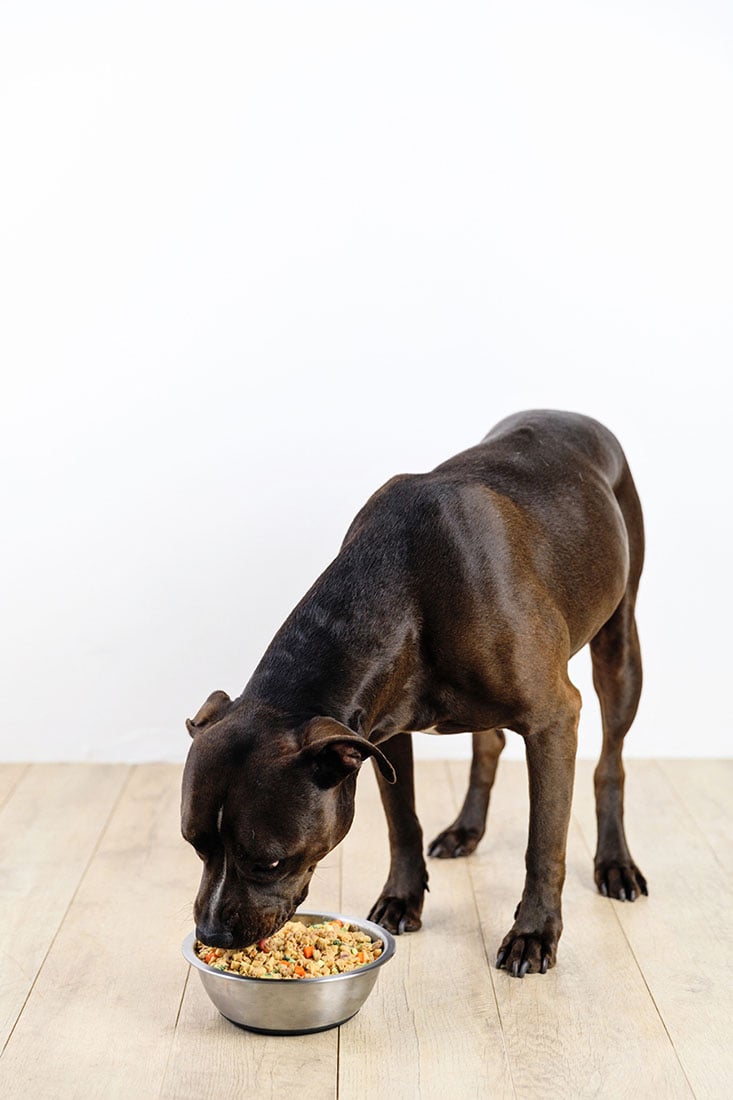
One of the most common questions new puppy parents ask is how much food should a puppy eat?

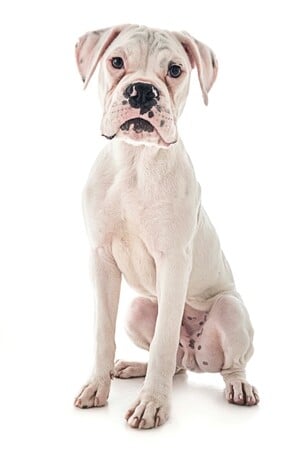
french bulldog getting bowl of food

Vet-Recommended Puppy Feeding Guide

Dogs have differing nutritional requirements at the puppy stage. Puppies are growing dogs, so they require specific portions and nutrient ratios than their adult counterparts.


When calculating how much to feed your puppy, always first seek advice from your veterinarian on:


  • estimated weight at maturity;
  • age;
  • activity level;
  • health issues, if any.


As always, ensure the food you are feeding is complete and balanced for their life stage.

puppy getting a dog treat

Puppy Feeding Calculations

How much food should I feed my puppy? Follow the steps below to calculate feeding quantities manually or skip forward to the calculator to avoid the math!


  1. Find your puppy’s estimated adult weight.
  2. Determine their daily calorie intake using the puppy feeding chart.
  3. See food label for “calories per serving” to calculate the quantity needed to meet daily calories.
  4. Use the meal frequency chart to determine how many meals your puppy needs a day.
  5. Divide the weight of food calculated in step 3 by the number of meals in step 4.


When you’re calculating how much do you feed a puppy, always seek the advice of your veterinarian on:


  • Your puppy’s activity level & energy requirements—active dogs require more calories, sedentary dogs, less.
  • Your puppy’s body condition—underweight puppies require more calories and vice-versa.
  • Your puppy’s breed—large breed puppies will have different requirements from smaller breeds.
rottie puppy

Calculate the Easy Way with Our Puppy Feeding Calculator

Our JustFoodForDogs puppy feeding calculator is the easiest way to determine what amount of food to feed a puppy by weight.


Answer the simple questions, select “Puppy Health” as your goal, and the calculator will make daily feeding recommendations for your pup!


Puppy food calculator results include:


  • Calories per day
  • Best recipes for your growing puppy
  • Number of ounces/cups per day, per recipe.


Even if you plan carefully, don’t forget to monitor your dog’s growth and adjust as needed during its first year. You can return to the calculator as often as you like!

puppy feeding chart by weight


How Often Should Puppies Eat?


How often should you feed a puppy will depend on their current age and estimated age of maturity.


Although puppies require a higher caloric intake, it is best to feed them small meals multiple times a day until they become adults. This eases digestion and helps pups keep their energy levels steady throughout the day.


How Many Times a Day Do You Feed a Puppy?


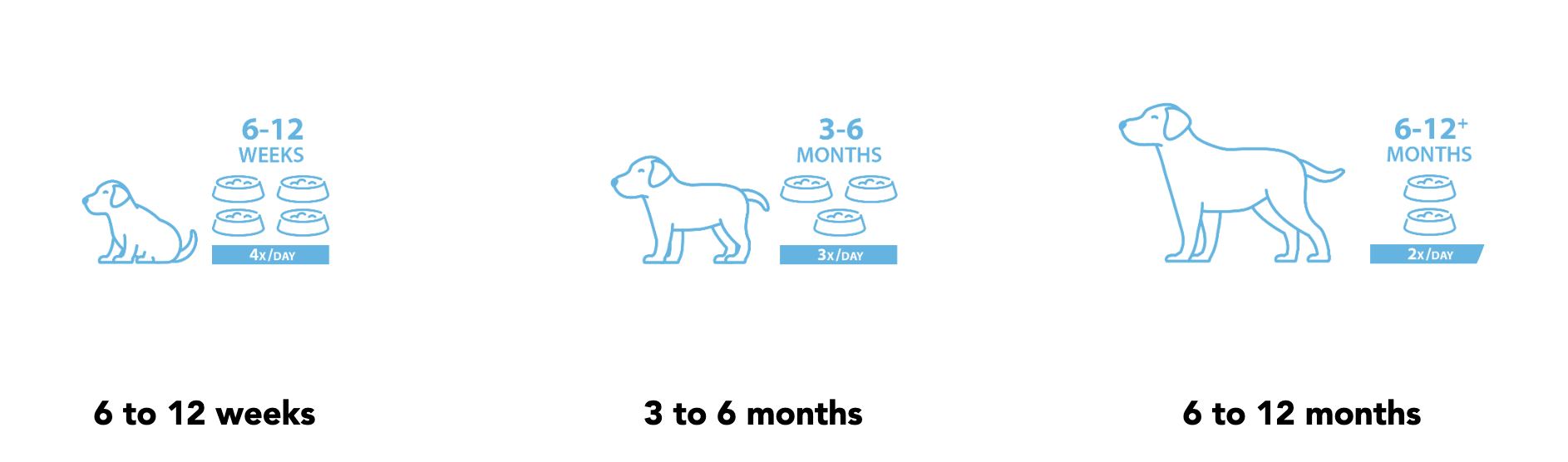
You can calculate your pup’s ideal meal feeding frequency using the chart below. Little and often is the key. Avoid overfeeding, as feeding them all their food in one meal can result in bloating, slower digestion, and general discomfort.


Once your puppy is weaned (between 3 and 6 weeks) and has transitioned to solid food, it is best to feed them 4 times a day from ages 6 - 12 weeks.


When your puppy is between 3 - 6 months old, reduce meals to 3 times a day. For ages 6 - 12 months of age, you can begin feeding them twice a day.

how many times a day puppies eat infographic


When to Feed a Puppy


Structure is an important element in your pup’s education, so setting a solid puppy routine from the start creates a strong foundation for you to build on together. When it comes to feeding, developing a mealtime routine is simple. Consistency is key.


The best times to feed your puppy will be based on your ideal schedule and lifestyle. Meals should be spaced out at a maximum of 6-8 hours between feedings from 6 weeks to 6 months of age. The last meal should be fed a few hours before bedtime to allow enough time to digest and eliminate to help reduce the risk of nighttime accidents.

meal icon

Meals should be spaced out at a maximum of 6-8 hours between feedings from 6 weeks to 6 months of age.

banner of bowls of fresh dog food

What Food Can Puppies Eat?

Puppies require special formulations that are nutritionally complete and balanced to support their growth and development. Large-breed puppies with an estimated adult weight 70 lbs+, are special and require a puppy diet specifically formulated for the growth of large-breed dogs. This information should be readily available on the pet food label.


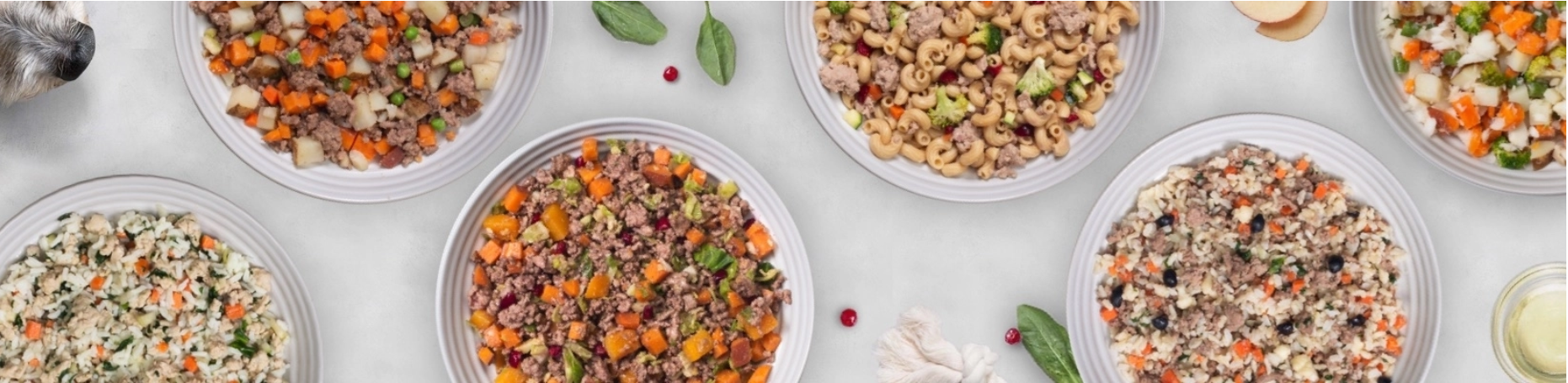
Our Chicken & Rice Recipe and Fish & Sweet Potato diets are suitable for all life stages – including growth from small to large breed puppies!

puppy getting a treat

Puppy Treats & Healthy Snacks for Puppies

Yes, puppies can eat treats! Treats are important and can be used for training, but all in moderation. Treats should never constitute more than 10% of a pet's total daily calorie intake. Fresh vegetables and fruits are low-calorie treat options. Always check with your veterinarian prior to starting a treat regimen.

Keep the following in mind

label icon

Read the label

Nutrition is an important factor in your puppy’s future health and wellbeing. It is essential to assess that the food is appropriately formulated for your pet's life stage.
food icon

Keep it simple

Treats made using whole-food, low calorie ingredients are easy, healthy puppy treats. Check labels to avoid high calorie treats that may not be appropriate for training.
check icon

Think soft

The teeth of young puppies are not fully developed, so soft bite-sized treats for smaller mouths are recommended.
dog food icon

Moderation

Snacks should account for a maximum of 5% of your puppy’s daily calories. If your puppy eats 400 kcals per day, then only 20 kcals should come from treats.
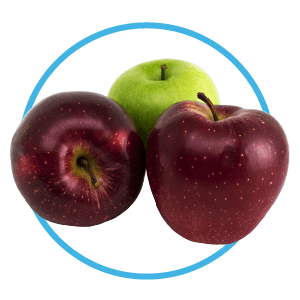
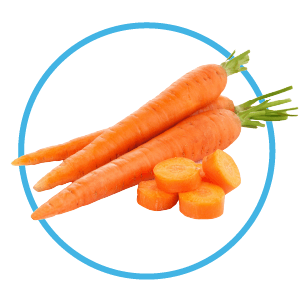
Opt for safe fruits & vegetables, like the ones below, or other low-calorie snacks.

apples

Apples

carrots

Carrots

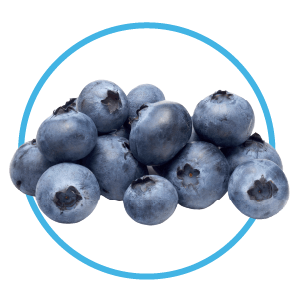
blueberries

Blueberries

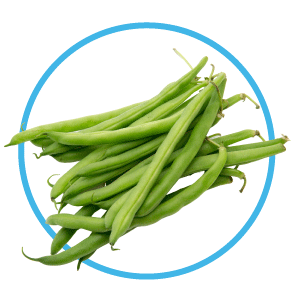
green beans

Green Beans

broccoli

Broccoli

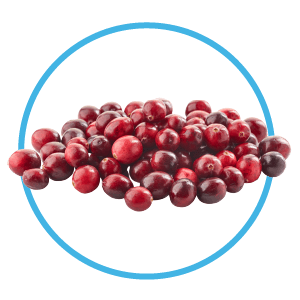
cranberries

Cranberries

zucchini

Zucchini

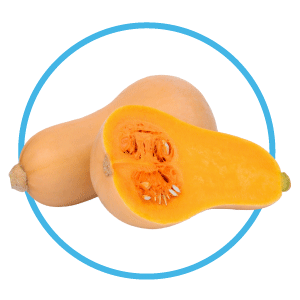
Butternut Squash

Butternut Squash

puppy eating

How to Transition a Puppy to New Food

Transitioning from mother’s milk or formula to solid food is a gradual process.


Breeders start puppies on a mix of solid food and mother's milk as early as three weeks. Using the same high-quality food that the mother is fed can aid the transition. This is blended with a puppy milk replacer and warm water.


For orphaned puppies, weaning begins around 3-4 weeks of age. Small amounts of high-quality soft food—formulated to support healthy growth—are added to supplement their milk formula.


The goal for puppies is to gradually transition to solid food by 5-6 weeks of age, although the process can take up to 8-10 weeks of age.


When can puppies eat solid food?

When pet parents should start feeding puppies wet food will depend on the weaning process outlined above. Generally, puppies usually start the transition from milk to solid food at around 3-4 weeks of age. Puppies should fully transition to solid food and be weaned completely off of milk by 8-10 weeks old.

How to ensure your puppy is the right weight


Feeding your puppy a fresh diet that’s formulated specifically for puppies will provide them with the high-quality nutrients they need to support their overall health and long-term growth.


Estimating your puppy's growth to adulthood requires consistent monitoring to ensure they are on the right path. Since different breeds have variable growth rates, we recommend using tools such as the WALTHAM™ Puppy Growth Charts to track and assess your pet's weight over time. Work with your veterinarian through this exciting and interactive process.

Ensuring your puppy is consistently at the correct weight is dependent on various factors:


  • Portion Control: Measuring food servings with a kitchen scale is advised for accuracy.
  • Keeping treats less <10% of total daily calories will also help to prevent unwanted excess weight gain.
  • Choose an appropriate diet formulated for puppy growth to allow for proper development.
  • Regular body condition assessments and monitoring of body weight
  • Adequate exercise and activity
dog that's too skinny

Very thin

Very thin puppies have visible ribs, spine, and pelvic bones.

underweight dog

Underweight

Underweight puppies have some visible ribs, spine, and pelvic bones.

dog at an ideal weight

Ideal Weight

Ribs can be seen and felt but do not protrude, their belly tucks up, and they have a visble waistline.

overweight dog body condition

Overweight

Overweight puppies have little-to-no visible ribcage.

obese dog bcs

Obese

An obese puppy will have a rounded stomach with no definition in the ribs or waistline.

-

Deciding on when to transition to adult food

Your puppy's nutritional needs change as they grow into an adult. If you are moving from a puppy-growth diet to an adult maintenance formulation, then consider transitioning from a puppy food to adult dog food in a gradual process that happens as they approach maturity. 


Puppies mature at different stages, depending on the size of their breed. Using the WALTHAM Puppy Growth charts, you can best determine when your dog reaches adulthood based on their growth curve. Alternatively you can use the generalized mature age per weight class guidance chart provided. 


To make the transition, mix your puppy’s current food with their new adult food, gradually decreasing the amount of puppy food and increasing the amount of adult food over a period of 7 days.


Our Chicken & Rice Recipe and Fish & Sweet Potato diets are formulated for all life stages, including growth of large dogs 70 lbs or more. This means your puppy can healthfully continue to eat these diets into adulthood without a transition to new food. Please continue to work with your veterinarian to determine if or when a diet change may be recommended based on lifestyle changes.

big puppy
  • Small-Medium Breeds (<20-50 lbs) = 6 to 12 months
  • Large Breeds (50-98 lbs) = 12 to 16 months
  • Giant Breeds (>99 lbs) = 18 to 24 months

Transitioning Your Puppy to New Food

transition puppy to new food

Days 1 - 3

Replace 25% of your puppy's current food with the new food.

dog food transition

Days 4 - 7

Replace 50% of your puppy's current food with the new food.

dog food bowl

Days 8 - 10

Replace 75% of your puppy's current food with the new food.

bowl of beef dog food

Day 11

100% new food. Your puppy's transition is complete!